
Spray Foam vs. Fiberglass in the Northeast: Which Wins?
If you live in the Northeast, you know how extreme the seasons can be. Sweltering summers. Freezing winters. And plenty of temperature swings in between. When it comes to keeping your home comfortable and energy-efficient, insulation isn’t just important—it’s essential.
Two of the most common options are spray foam and fiberglass. But which one performs better for homes in places like upstate New York?
Let’s break it down.
The Big Difference: Air Sealing
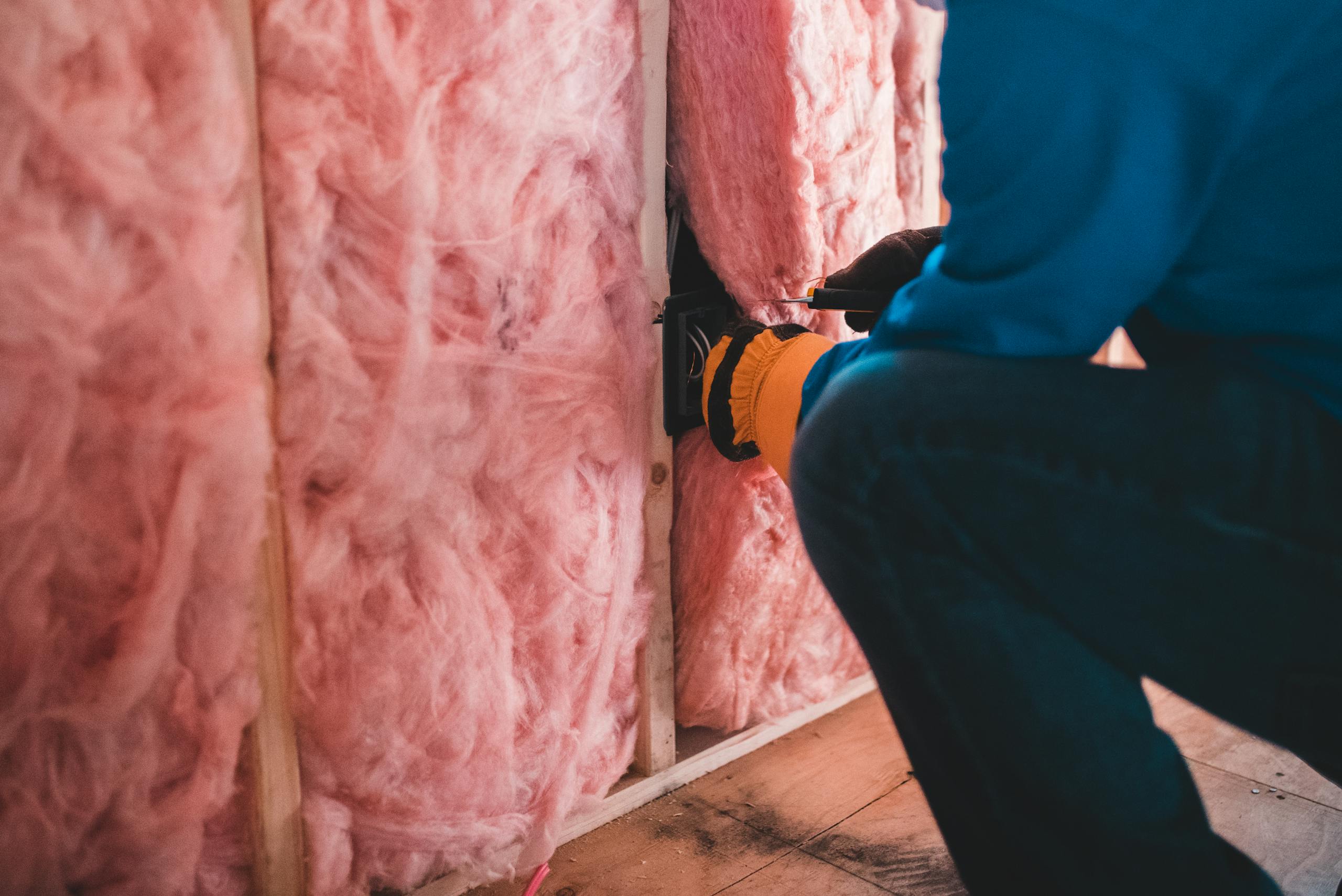
Fiberglass works by slowing the movement of heat—but it doesn’t stop air leaks. If you’ve ever felt a cold draft in a supposedly insulated room, chances are the air is sneaking in around the insulation.
Spray foam, on the other hand, expands into cracks and gaps to form a tight seal. That means less heat escaping in the winter, and less humidity creeping in during the summer.
✅ Winner: Spray Foam
Energy Efficiency Over Time
Spray foam typically costs more upfront than fiberglass. But it also delivers far greater energy savings—especially in climates where heating and cooling bills can spike seasonally.
Many homeowners see 30–50% lower utility costs after upgrading to spray foam. Over the course of a decade, that can add up to thousands in savings.
✅ Winner: Spray Foam
Moisture and Mold Resistance
In the Northeast, moisture is a year-round concern. Humid summers and snowy winters can lead to condensation inside your walls—especially if your insulation isn’t airtight.
Fiberglass tends to absorb moisture and can become a breeding ground for mold if it gets wet. Spray foam acts as a vapor barrier, helping prevent moisture buildup and the problems that come with it.
✅ Winner: Spray Foam
Sound Control
This one’s a little closer. Open-cell spray foam has excellent sound-dampening qualities, making it great for interior walls. Fiberglass also provides some noise reduction, though it’s generally less effective.
✅ Winner: Slight edge to Spray Foam
Installation & Cost
Fiberglass is cheaper and easier to install, which makes it appealing for quick fixes or DIY jobs. Spray foam requires professional equipment and safety precautions—but you get what you pay for.
✅ Winner: Fiberglass (on price and simplicity)
Verdict: Spray Foam Wins in the Northeast
For homes in Albany, Schenectady, Troy, Saratoga, and other parts of the Capital Region, spray foam is a smart long-term investment. It delivers better performance, stronger air sealing, and lower energy bills—especially in homes where drafts, moisture, and fluctuating temps are common.
If you’re ready to explore your options, we’re here to help.
Want a quote for your home?
We’ll inspect your space and give you a clear, pressure-free estimate.
📞 (518) 213-2574
🟡 Get a Free Estimate